
Tag: Translation
-
What Happens If Translators Quit?
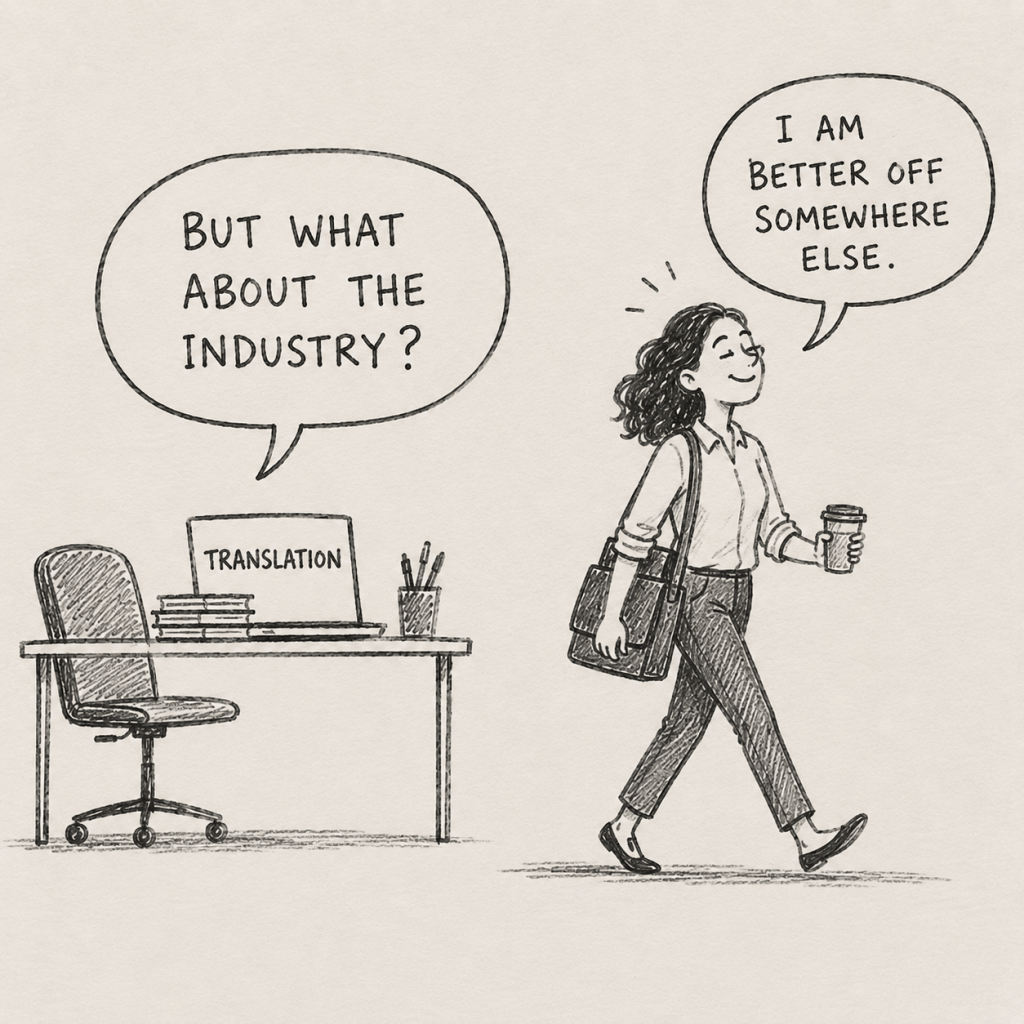
Please indulge me in a little thought experiment. Imagine that translators who can no longer earn what they consider a reasonable living from translation gradually decide: Enough. I want a secure income and a better work-life balance. I can do something else. What happens next? Some translators might be disheartened about quitting work they love.…
-
We need to talk about the value of translation—but wait… do we mean translators’ labour or LSP services?
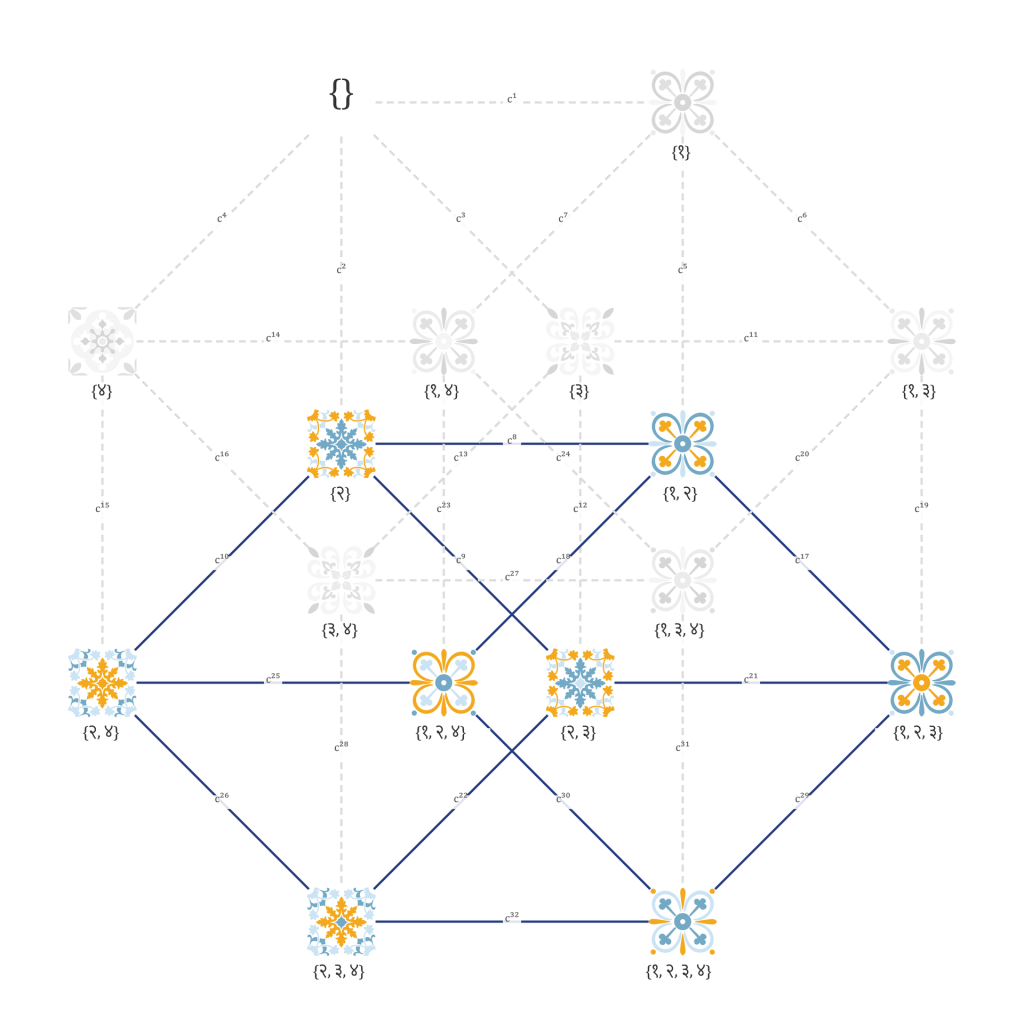
I often come across the phrase “the value of translation” in professional discourse and academic writing, and I wonder what it really means—and whose value we are actually talking about. There is no doubt that translation enables communication and business exchange, but is it politically problematic to treat it as a single, undifferentiated entity? I…
-
Talent Pipelines or Precarity Pipelines? Setting the Narrative Straight on the UK Language Industry

By Fardous Bahbouh, Researcher & Consultant on Labour Rights, Public Policy, and the Political Economy of the Translation Industry Like many, I was saddened to read about the closure of the Modern Languages department at Cardiff University. This represents a lost opportunity for global understanding, cross-cultural communication, economic development, and the continuous progress of humanity.…
-
Before Setting New Year’s Resolutions: Beware the Trap of CPD for Precarious Workers (AKA Freelancers)

By Fardous Bahbouh, Researcher & Consultant on Labour Rights, Public Policy, and the Political Economy of the Translation Industry As the festive season approaches, a time meant to be joyful can often feel like a storm of financial stress, social anxiety, and forced cheerfulness. For freelancers, especially those in exploitive sectors like the outsourced public…
-
Concerns Regarding Interpreters’ Representation: An Open Letter to Baroness Morris of Yardley, Chair of the Public Service Committee
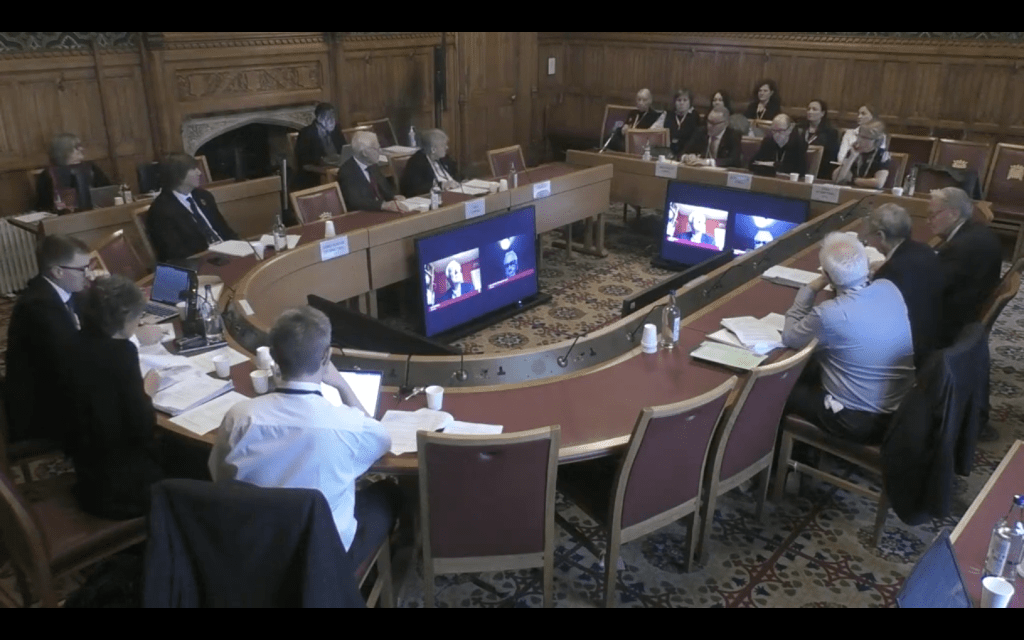
By Fardous Bahbouh, Researcher & Consultant on Labour Rights, Public Policy, and the Political Economy of the Translation Industry Dear Baroness Morris, I hope this message finds you well. I want to express my deep gratitude for your considerable efforts in leading the House of Lords inquiry into court interpreting—I greatly appreciate it. I am…
-
Reevaluating Public Service Interpreting and Translation: An Ethical, Economic, and Policy Analysis.

By Fardous Bahbouh, Researcher & Consultant on Labour Rights, Public Policy, and the Political Economy of the Translation Industry This slightly modifies analysis was submitted to the House of Lords Inquiry into court interpreting and translation and published on their website. I welcome the House of Lords Public Services Committee’s decision to conduct this much-needed…
-
Inequality and Problematic Power Dynamics in the UK Outsourced Public Service Interpreting: A Literature Review

(This review cover materials up to 1 October 2025) Despite being one of the world’s wealthiest nations, the UK continues to grapple with widespread poverty. In 2018, one-fifth of the population lived in poverty, with 1.5 million experiencing destitution (United Nations, 2019a). By 2024, poverty persists, disproportionately impacting women and ethnic minorities, including many who…
-
Debunking the Myth of Modern Standard Arabic as a Lingua Franca Among Arabic Speakers

Arabic is a fascinating rich language with beautiful calligraphy and distinct sounds that are less common in other languages. It is the official language of 22 countries and one of the six official languages of the United Nations. It is estimated that there are over 300 million Arabic speakers across the world. Despite these facts,…
-
Navigating the Rich Diversity of Arabic: Tips for Translation Projects

Arabic is a rich and diverse language with over 400 million speakers across the globe, making it one of the most widely spoken languages in the world. However, it is important to note that Arabic is a diglossic language, meaning that the formal written language, known as Modern Standard Arabic, differs from the spoken Arabic…
-
Do You Know Which Language Has Invisible Vowels?

Languages are full of unique features that make them fascinating to learn and explore. From complex grammar to unusual vocabulary, each language has its own distinct characteristics. One interesting feature that many people may not be aware of is invisible vowels. In certain languages, some vowels are not always written out, but they still play…
-
Why Arabic Script Keep shifting In Posters And Videos?

The Arabic script is one of the most beautiful and complex writing systems in the world. It is widely used across the Middle East and North Africa, and its calligraphic style has been admired for centuries. However, one common issue that arises when using the Arabic script in design is the tendency for the letters…

