
Author: Lingua Media Connect LTD
-
Studying Translation in the Age of AI: What Gets Said, What Gets Left Out
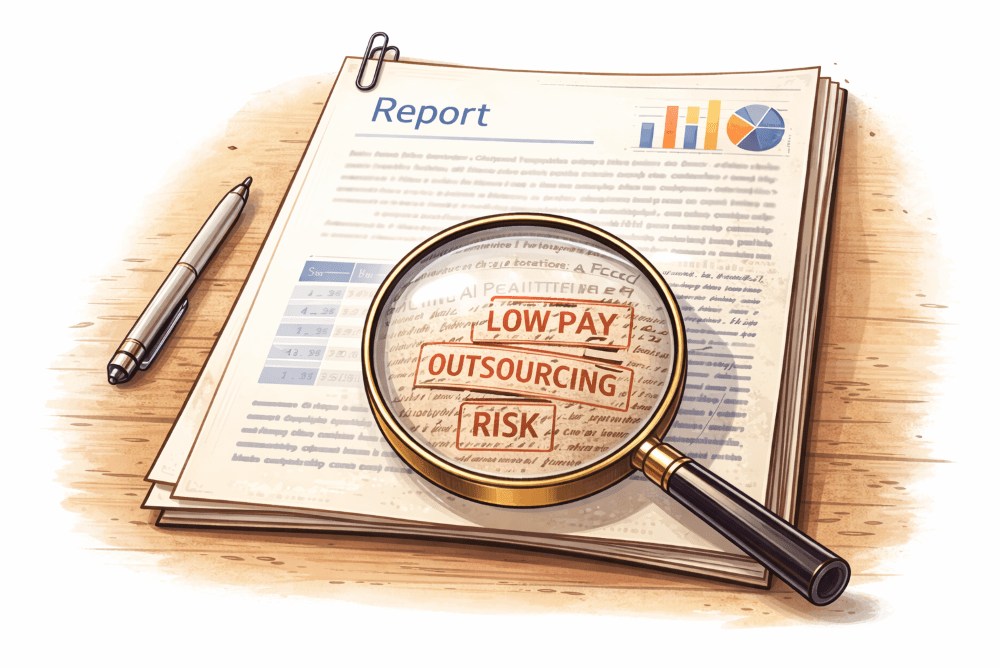
This is not a neutral reflection. It is a deliberate intervention. As an academic researcher, I once again feel compelled to speak out. Over the past few years, I have watched a particular narrative about the translation and interpreting industry take shape across academic publications, public events, and institutional collaborations. It is a narrative that…
-
This upcoming election, make ending exploitation within outsourced public services a top priority
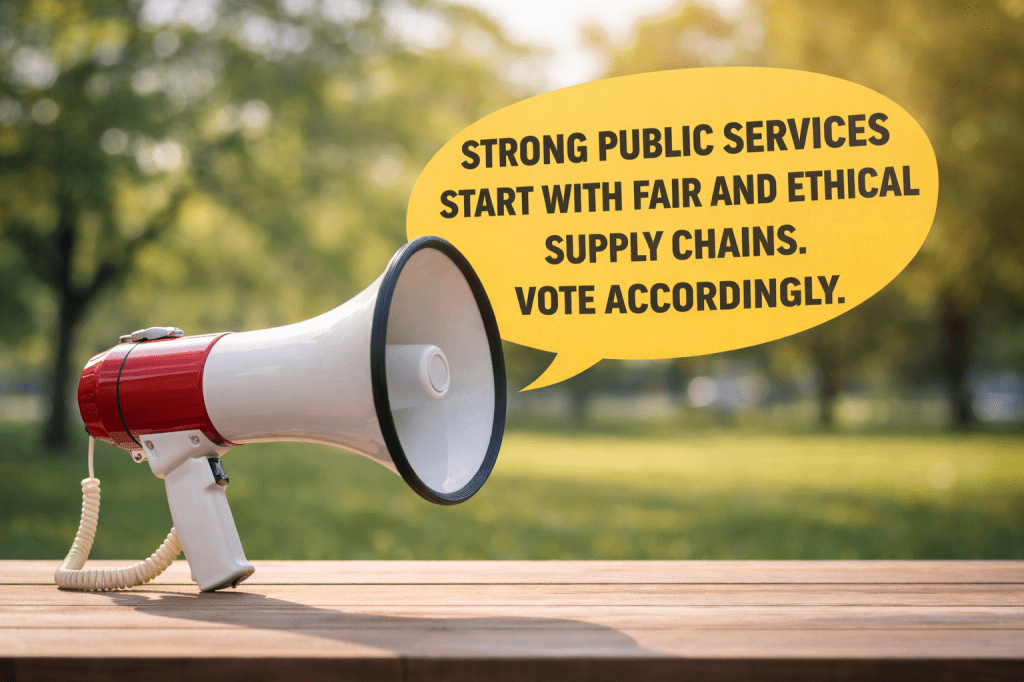
As the UK prepares for the upcoming elections, an issue that deserves far greater public attention is the risk of exploitation within outsourced public service supply chains. Voters in Scotland and Wales will elect representatives to their national parliaments, while a number of local council and mayoral polls will take place in England. Across these…
-
The Role of Outsourcing, Digitalisation, Demographics, and Credentialism in diminishing negotiation power of PSI interpreters.
In the previous articles in this series, we explored how outsourcing, low pay, intensifying financial insecurities, deteriorating working conditions and digitalisation have reshaped Public Service Interpreting (PSI) in the UK. Many interpreters described being paid per minute or per second, or being expected to accept last-minute assignments under increasingly uncertain conditions, which some described as…
-
From Booking Apps to AI: Why Technological Change Is Intensifying Precarity in Outsourced Public Service Interpreting
In the previous parts of this series, I share insights from my PhD research at the University of Leeds on inequalities in the outsourced public service interpreting. In their responses to a national survey, interpreters described significant challenges affecting working conditions, pay, and professional stability in UK Public Service Interpreting (PSI). Survey findings highlighted widespread…
-
Working conditions in outsourced public service interpreting: meaningful work under market pressures
This third article in the series presents further findings from my PhD research at the University of Leeds on inequalities in outsourced public service interpreting (PSI) in the United Kingdom (UK). PSI is a state-mandated function grounded in legal obligations and funded through public resources. However, the delivery of these services is largely outsourced to…
-
Financial insecurity in UK public service interpreting: Excerpts from my PhD study

In the United Kingdom (UK), public service interpreting (PSI) is a state function mandated by legal frameworks and funded by taxpayers. However, its delivery is predominantly outsourced to private language service providers (LSPs), where interpreters’ labour is subject to market competition and cost-cutting logics. This study examines the inequalities experienced by interpreters in PSI through…
-
Who Is Responsible? Research Finds Critical Safety Gaps in Outsourced Public Service Interpreting

This article is the first part of a series presenting findings from my PhD research at the University of Leeds, which examines inequalities in outsourced public service interpreting (PSI) in the UK. The research combines an original national survey of interpreters with a multidimensional framework for analysing job quality, drawing on concepts from political economy,…
-
Urging the Government to publish its action plan to prevent exploitation within public supply chains: An open letter to the Secretary of State for Education and Minister for Women and Equalities, Bridget Phillipson MP
Dear Secretary of State, I am writing in response to the government’s recent announcement of employer action plans on the gender pay gap and menopause support, published ahead of International Women’s Day 2026. I welcome the recognition that women’s experiences at work continue to be shaped by structural inequalities, and I strongly support the aim…
-
Understanding the Rise of Attribution Bias in Translation Studies: Four structural reasons responsibility is increasingly misattributed in scholarly discussions of translators’ working conditions
There’s a pattern that keeps resurfacing in discussions about the translation industry—particularly around falling rates, worsening working conditions, and the increasing precarity of translators. The pattern is subtle, but deeply consequential and ethically problematic. It’s called attribution bias, and it is becoming increasingly common in translation industry studies. Attribution bias refers to the tendency to…
-
Would You Help a Fare Dodger on the London Underground?

I was exiting a Tube station in central London, and the station was relatively quiet. As I approached the exit gate, a young woman behind me asked if I could open the wider gate, pointing to the credit card in my hand. For a moment, I froze, surprised by the audacity of the request. My…
 Lingua Media Connect