
Tag: technology
-
Theory of Change for the UK Translation and Interpreting Industry: Repoliticising Labour Precarity and Mapping Responsibility

Abstract This article proposes a theory of change for understanding and addressing persistent low pay and precarity in the translation and interpreting industry through the repoliticisation of translation labour. Building on my previous analyses of translators’ labour conditions, it argues that low pay is structurally produced through the organisation of the translation supply chain. Translation…
-
Should Translators Pay to Play “Happy Community” with LSPs While Exploitation and Precarity Go Unaddressed? Urgent Changes Needed to ITI’s Conference

I am writing ahead of the Institute of Translation and Interpreting (ITI) conference because I believe meaningful change is still possible. My aim is not only to critique ITI, but to contribute to a discussion about what translators and interpreters urgently need from professional institutions at a time of intensifying precarity and labour insecurity, as…
-
What hope is there for translators when their intensifying financial insecurity is often depoliticised, even in The Guardian’s coverage?

I read with interest the Guardian’s recent article on AI and translation labour titled “‘Being human helps’: despite rise of AI is there still hope for Europe’s translators?” While I am grateful for an article that acknowledges worsening precarity, declining rates, and reduced workflows, I believe it still reproduces a depoliticised and problematic framing, presenting…
-
Are translators really lacking entrepreneurship skills? What is the problem represented to be?
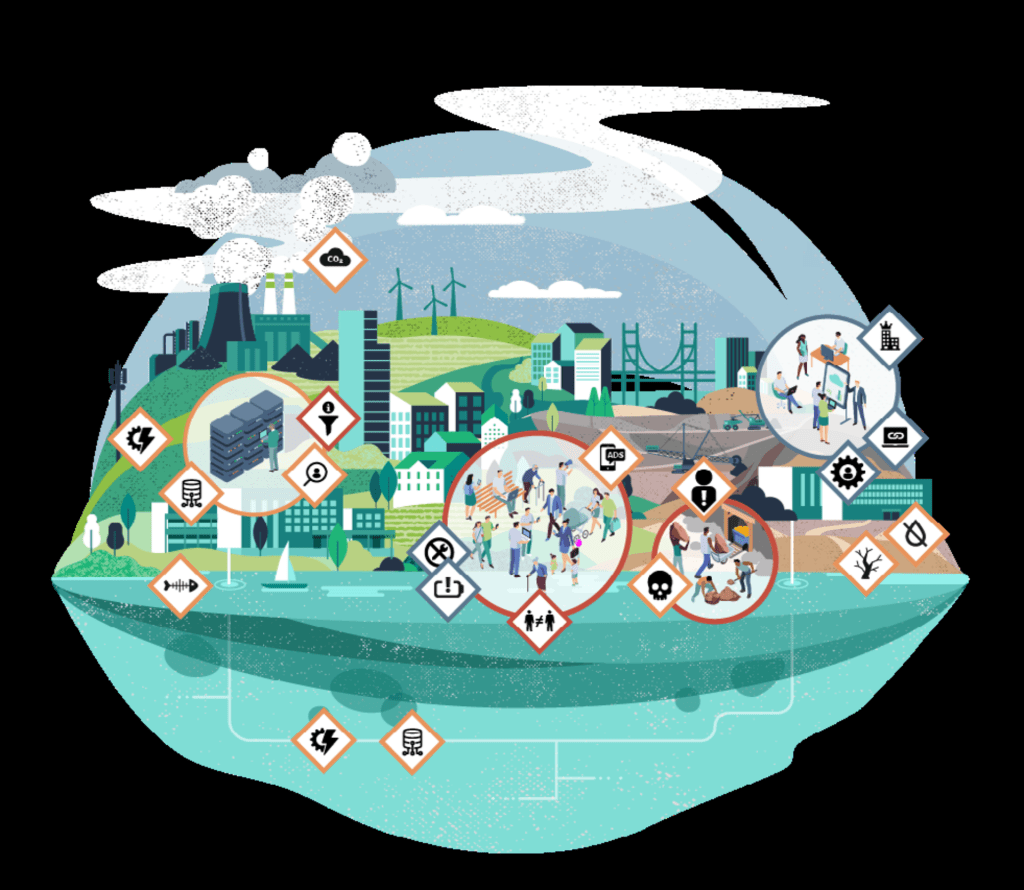
When we read reports about the profession, whether in academic studies or professional association publications, there are often lists of entrepreneurship skills translators supposedly need to acquire: better negotiation, improved business strategy, more active marketing, or greater adaptability in a changing market. But there is a useful question we should ask whenever we encounter this…
-
Is the “Real Value” of ITI Membership Actually Negative? Professionalisation, Risk Transfer, and How Translation Labour Could Be Repoliticised

Like many questions that challenge established assumptions, I am aware this may be an uncomfortable one to ask. My aim in raising it is knowledge creation through a political economy analysis of membership organisations and translators’ labour. This article examines how institutional narratives, incentive structures, and representational arrangements shape what is made visible or invisible…
-
Academic Research Documents Poor Job Quality and Intensifying Financial Insecurities Among UK Translators (Albeit with Theoretical and Analytical Weaknesses)

A recent academic study titled “Love’s Labour’s Found? A Data-Driven Exploration of Job Quality among UK-Based Freelance Translators” by JC Penet, Callum Walker and Joseph Lambert offers one of the clearest empirical snapshots to date of the deteriorating working conditions facing freelance translators in the UK. Many of the findings strongly resonate with my own…
-
Why Translators and Interpreters Are Often Poorly Paid: Corporate Power and Displaced Responsibility

One of the most striking observations from my three years of PhD research into the translation and interpreting industry is how little attention is paid to a basic question: why are translators and interpreters so often underpaid, and who is responsible? Across professional events, academic discussions, and institutional collaborations, these questions remain largely unaddressed. When…
-
This upcoming election, make ending exploitation within outsourced public services a top priority

As the UK prepares for the upcoming elections, an issue that deserves far greater public attention is the risk of exploitation within outsourced public service supply chains. Voters in Scotland and Wales will elect representatives to their national parliaments, while a number of local council and mayoral polls will take place in England. Across these…
-
From Booking Apps to AI: Why Technological Change Is Intensifying Precarity in Outsourced Public Service Interpreting
In the previous parts of this series, I share insights from my PhD research at the University of Leeds on inequalities in the outsourced public service interpreting. In their responses to a national survey, interpreters described significant challenges affecting working conditions, pay, and professional stability in UK Public Service Interpreting (PSI). Survey findings highlighted widespread…
-
Working conditions in outsourced public service interpreting: meaningful work under market pressures

This third article in the series presents further findings from my PhD research at the University of Leeds on inequalities in outsourced public service interpreting (PSI) in the United Kingdom (UK). PSI is a state-mandated function grounded in legal obligations and funded through public resources. However, the delivery of these services is largely outsourced to…
-
Spotting Ethical-Washing in the Translation Industry: Lessons from Greenwashing

By Fardous Bahbouh, Researcher & Consultant on Labour Rights, Public Policy, and the Political Economy of the Translation Industry Greenwashing is a well-established concept in environmental and corporate debates. It describes situations in which companies market themselves as ethically or environmentally responsible while their actual practices fall short. Classic examples include Volkswagen’s “clean diesel” scandal…

