
Translation is the art of transferring meaning from one language to another. It has been an essential aspect of communication since the dawn of civilization. As the world becomes increasingly interconnected, the need for translation is only growing. Despite the development of advanced language technology, translation remains a critical tool for global communication, and it is still worth investing in. In this article, we will explore some of the reasons why translation is still a valuable and necessary practice.
First and foremost, translation helps bridge the communication gap between people who speak different languages. In our globalized world, we encounter people from all corners of the globe on a daily basis. We communicate with them through various media such as social media, email, and even face-to-face conversations. However, language barriers can impede effective communication and lead to misunderstandings. Translation services provide a solution to this problem by enabling people to communicate across language barriers effectively. By investing in translation services, businesses and individuals can reach a broader audience and connect with people from different cultures.
Secondly, translation is vital for businesses and organizations operating in the international market. The world’s economy is increasingly globalized, and companies need to expand their reach to compete. Translation is essential in this context because it allows businesses to adapt their content to local markets, which increases the chances of success. For example, translating a website into multiple languages can help a business reach a larger audience and increase its global visibility. Similarly, translating marketing materials and product descriptions into local languages can help companies connect with potential customers in those regions.
Thirdly, translation is crucial for preserving cultural heritage and promoting intercultural understanding. Language is an essential part of a culture, and translation allows us to preserve and share the richness of different cultures with the world. Translating literary works, for instance, helps to promote cultural exchange and understanding. It also allows people to access literature from different cultures, thus enriching their understanding of the world.
Lastly, despite the development of advanced language technology, translation remains an art form that requires human expertise. Machine translation tools like Google Translate have come a long way in recent years and have made significant strides in making translation more accessible. However, machine translation still lacks the nuance and cultural understanding required to produce high-quality translations. Humans are still better equipped to understand the subtleties of language and culture and produce accurate and culturally appropriate translations.
In conclusion, translation remains a critical tool for global communication, and it is still worth investing in. It helps bridge language barriers, enables businesses to expand their reach and promotes cultural exchange. Therefore, it requires human expertise to produce high-quality translations. As our world becomes increasingly interconnected, the importance of translation is only growing, and it is essential to recognize its value in promoting intercultural understanding and global communication. We hope you find this information useful and interesting. If you need any help with your Arabic Translation projects, we are happy to help. Click here to contact us at Lingua Media Connect.
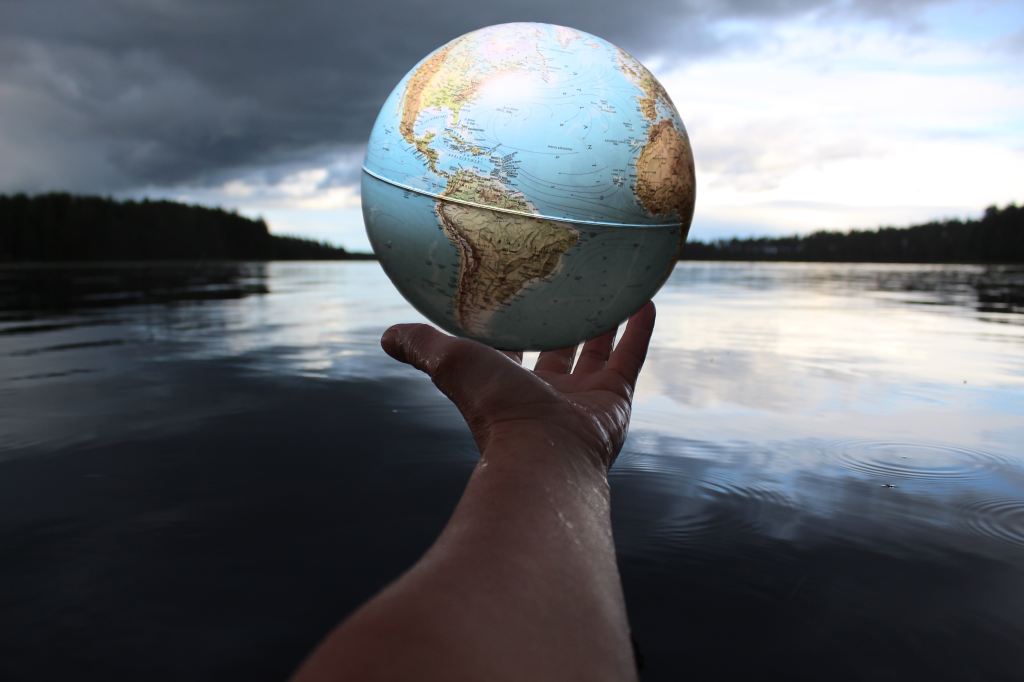
Photo by Anne Nygård on Unsplash
 Lingua Media Connect
Leave a comment