
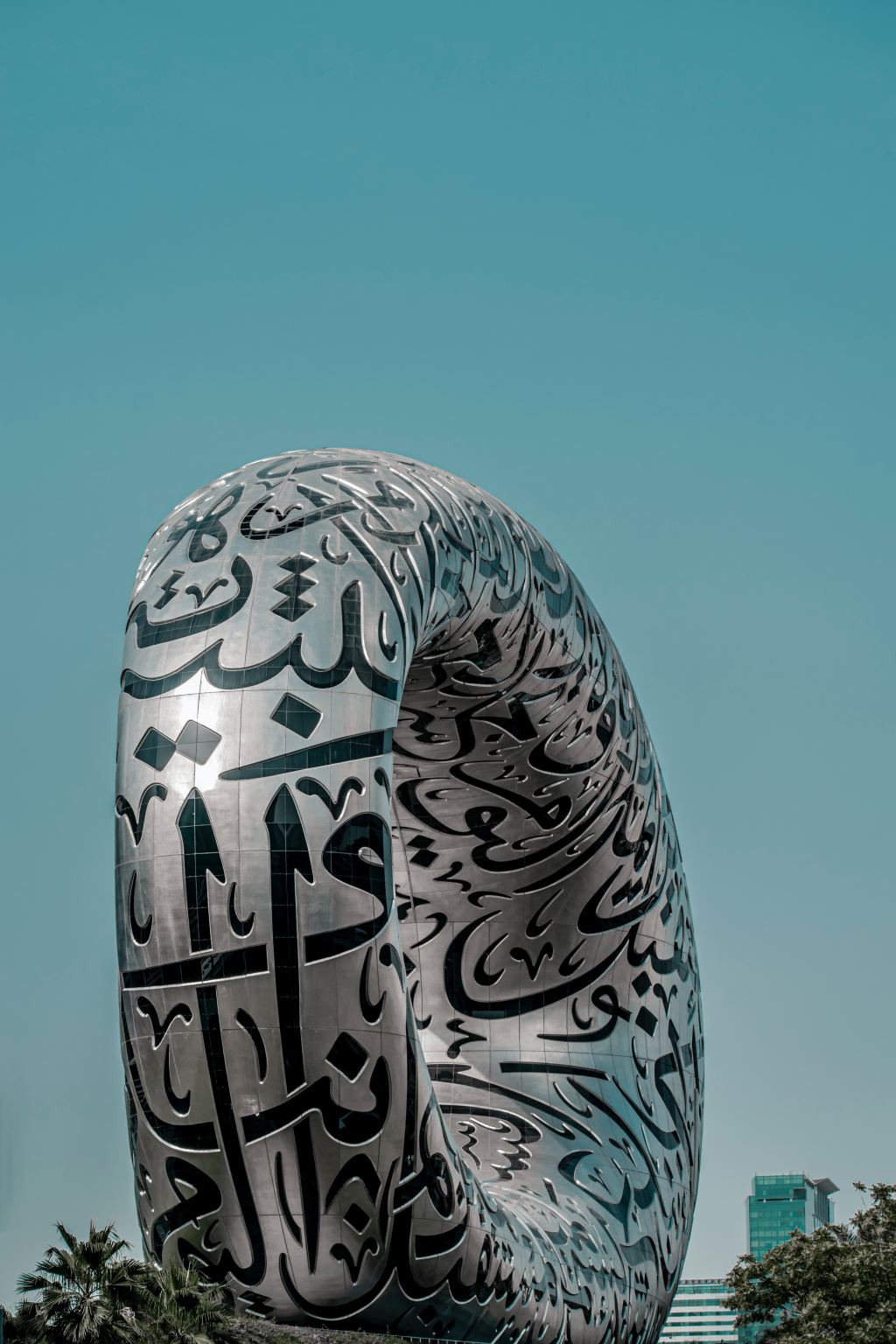
The Arabic script is one of the most beautiful and complex writing systems
in the world. It is widely used across the Middle East and North Africa, and
its calligraphic style has been admired for centuries. However, one common
issue that arises when using the Arabic script in design is the tendency for
the letters to shift around on posters and videos. This can be frustrating for
designers and can lead to the failure of publicity and marketing campaigns. In
this article, we will explore the reasons why Arabic script keeps shifting on
posters and videos and how designers can address this issue.
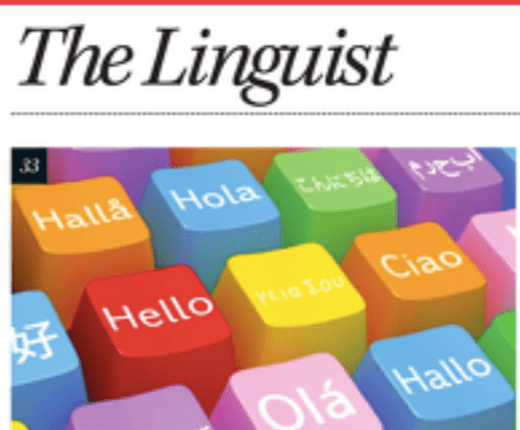
For example, in a recent edition of “The Linguist” magazine, the word
‘Hello’ – ‘Marhaba’ in Arabic – was wrongly published as ‘ABAHRAM’. The Arabic
letters appeared backwards and with each induvial letter appearing separately.
Another classic example is during the London Olympic games,
when the Large mall Westfield welcomed Arabic speaking fans with incoherent
Arabic signs that was supposed to say ‘Welcome to London.’ Instead, it was
something to the equivalent of ‘NODNOL OT EMOCLEW.’
One of the primary reasons why Arabic script keeps shifting is due to the
nature of the script itself. Unlike the Latin alphabet, which is written in a
linear fashion from left to right, the Arabic script is written from right to
left. This means that designers need to be mindful of the direction of the
script when designing posters or videos. Additionally, the Arabic script is
made up of intricate shapes and ligatures that can be challenging to position
correctly, making it more prone to shifting.
Another reason for the shifting of Arabic script on posters and videos is
the lack of proper software tools for designing in Arabic. Many design software
tools are optimized for the Latin alphabet and do not have the same level of
support for the Arabic script. This can lead to issues with alignment and
spacing, causing the letters to shift around on the design.
Designers can address this issue by using software tools specifically
designed for the Arabic script. These tools offer more advanced features for
handling the intricacies of Arabic typography, such as ligature handling,
letter spacing, and word justification. By using these tools, designers can
achieve more accurate and precise positioning of the Arabic script on their
designs.
Another solution is to work with a professional Arabic translator who has
experience in designing Arabic scripts. A professional translator can ensure
that the Arabic script is correctly positioned on the design and that it
maintains its integrity and beauty. They can also provide guidance on font
selection, color choices, and other design elements to ensure that the final
design is visually appealing and culturally appropriate.
In conclusion, the shifting of Arabic script on posters and videos can be a
challenging issue for designers. However, by understanding the nature of the
Arabic script and using specialized design software and working with
experienced Arabic translators, designers can create visually stunning designs
that accurately represent the Arabic language and culture. As the world becomes
more globalized, it is essential to embrace the diversity of cultures and
languages, including the beauty of the Arabic script.
For accurate and professional Arabic Language services, Click here to contact Lingua
Media Connect.
Photo by Aboodi-Vesakaran on Unsplash
 Lingua Media Connect
Leave a comment